
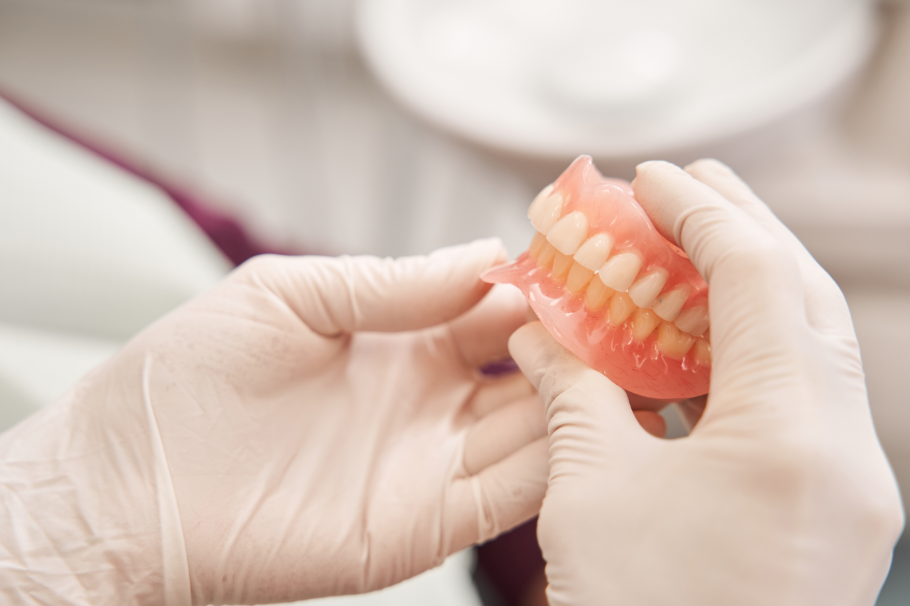
Dentures are a reliable and effective way to restore your smile after tooth loss, helping you eat, speak, and smile with confidence. However, even well-made dentures are not designed to last forever. Over time, changes in your mouth and normal wear and tear can affect how well they fit and function.
Knowing when it’s time to replace your dentures can help you avoid discomfort, maintain better oral health, and ensure your smile continues to look natural.
Your Dentures Feel Loose or Unstable
One of the most common signs that dentures need to be replaced is a noticeable change in fit.
Your jawbone and gums naturally change shape over time, especially after tooth loss. As bone resorption occurs, dentures may begin to feel loose or shift while talking or eating. This can lead to frustration, reduced confidence, and difficulty chewing certain foods.
While minor adjustments or relines can sometimes help, persistent looseness often means a new set of dentures is needed.
Difficulty Chewing or Speaking Clearly
Dentures should support normal eating and speaking habits. If you find yourself struggling with certain foods or noticing changes in your speech, it may be a sign that your dentures are no longer functioning properly.
Worn or ill-fitting dentures can affect bite alignment, making it harder to chew evenly. They can also cause slipping or clicking sounds when speaking, which can be both uncomfortable and embarrassing in social situations.
Visible Wear, Cracks, or Damage
Like any dental appliance, dentures experience wear over time. Small cracks, chips, or thinning areas in the material can affect both function and appearance.
Even if damage seems minor, it can compromise the strength and stability of the denture. In some cases, worn dentures may also harbor bacteria more easily, making them less hygienic.
If your dentures are several years old and show visible signs of deterioration, replacement is often the best option.
Ongoing Soreness or Irritation
Dentures should feel comfortable once you’ve adjusted to them. If you begin experiencing frequent sore spots, gum irritation, or inflammation, it may indicate that your dentures no longer fit properly.
Changes in fit can create uneven pressure on the gums, leading to discomfort and even small ulcers. While adjustments can sometimes provide temporary relief, recurring issues often signal that a new appliance is needed.
Changes in Facial Appearance
Dentures do more than replace teeth—they also help support your facial structure. Over time, ill-fitting or worn dentures can contribute to changes in facial appearance, such as sagging cheeks or a collapsed bite.
This happens when dentures no longer provide adequate support due to bone and tissue changes. Replacing them can help restore a more natural facial profile and improve overall comfort.
Considering a More Permanent Solution
If you find yourself frequently replacing or adjusting your dentures, it may be worth exploring more stable long-term options. Implant-supported dentures, for example, use dental implants to anchor dentures securely in place.
This can significantly improve stability, chewing ability, and comfort compared to traditional removable dentures. While not suitable for everyone, many patients find implant dentures to be a more durable and confidence-boosting solution.
Knowing When to Take the Next Step
Dentures typically need to be replaced every several years, but the exact timeline varies depending on oral changes and wear. Regular dental checkups can help determine whether repairs, relines, or full replacement are necessary.
If your dentures no longer feel comfortable or functional, it’s a good idea to have them evaluated before symptoms worsen.
A well-fitting denture should feel natural, support your daily life, and help you smile with confidence.
About the Practice
At Clarendon Hills Dental, patients receive comprehensive restorative and preventive dental care focused on comfort, function, and long-term oral health. Dr. Jason Hong provides personalized denture solutions, including repairs, relines, and replacements, as well as advanced options such as implant-supported dentures for improved stability and function. With a patient-centered approach, the team helps individuals maintain healthy, confident smiles at every stage of life.
Call us at (630) 789-1555 or schedule your appointment online.